
 EN
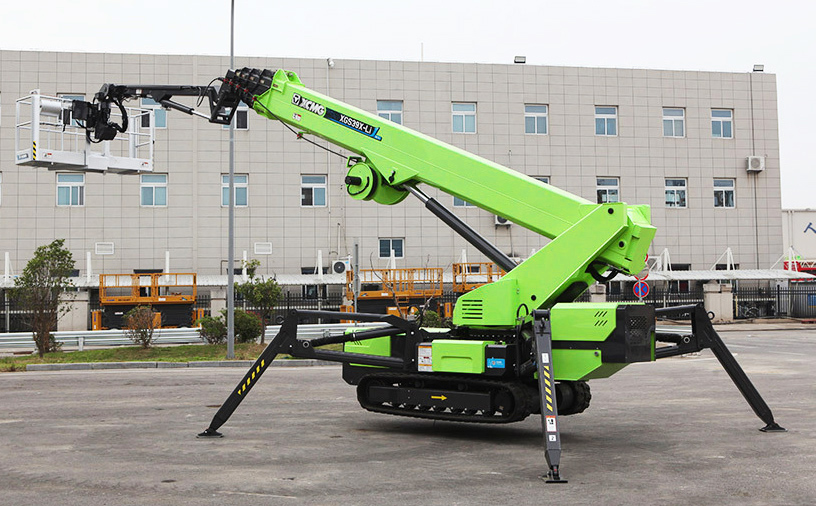
Regular maintenance of an aerial work platform is essential for ensuring worker safety, extending equipment lifespan, and maintaining regulatory compliance across construction and industrial sites. An aerial work platform that receives proper care performs reliably under demanding conditions, reducing unexpected downtime and costly repairs. Understanding the key inspection points for your aerial work platform allows maintenance teams to identify potential issues before they escalate into safety hazards or operational failures.
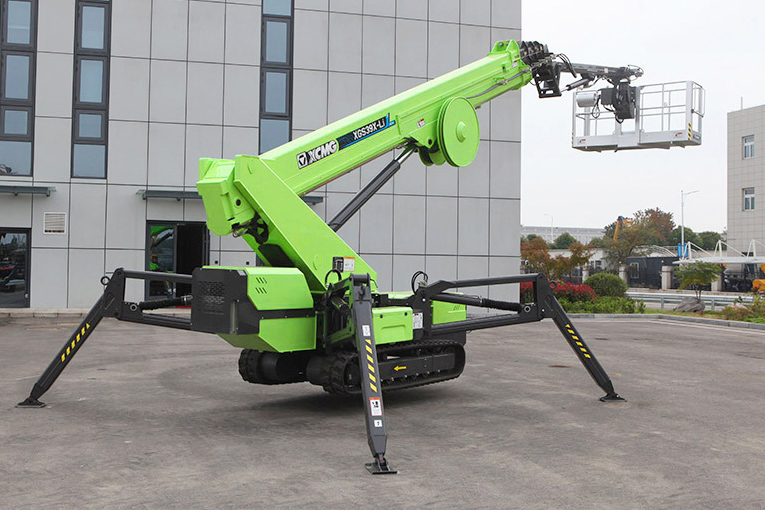
Every aerial work platform operates under specific load capacities, height limitations, and environmental constraints. Scheduled maintenance and systematic inspection ensure that all mechanical, hydraulic, and structural components function within design specifications. This article focuses on the critical inspection points that technicians and site managers should prioritize when conducting maintenance on an aerial work platform to guarantee optimal performance and worker protection.
Structural and Frame Integrity Assessment
Visual Inspection of the Main Frame and Boom
The structural foundation of any aerial work platform depends on the integrity of its main frame and boom assembly. During each maintenance cycle, inspect the frame for visible cracks, bending, or permanent deformation that could compromise load-bearing capacity. An aerial work platform frame that shows signs of stress fractures or corrosion requires immediate professional assessment and potential repair or replacement. Pay close attention to welded joints and connection points, as these areas experience the most stress during normal operation.
Boom articulation is another critical structural element requiring regular inspection. Check for loose pins, worn bushings, or restricted movement in boom segments. An aerial work platform with stiff or jerky boom movement indicates potential wear or lubricant degradation. Visual inspection should include checking for paint loss or rust formation on the boom exterior, as corrosion can weaken structural integrity over time, particularly in humid or coastal environments where an aerial work platform may be deployed.
Platform Deck and Safety Railings
The work platform deck must maintain a non-slip surface and remain free from damage or warping. An aerial work platform deck that shows surface deterioration, holes, or unstable sections poses a direct fall hazard to workers. Inspect guardrails, toe boards, and safety railings for secure attachment and structural soundness. All railings on an aerial work platform should withstand lateral force testing per industry standards, with no movement or separation from mounting points.
Hydraulic and Fluid Systems Review
Hydraulic Oil Condition and Fluid Levels
The hydraulic system powers the lift, articulation, and stability functions of any aerial work platform. Check hydraulic fluid levels at the start of each shift and during routine maintenance intervals. An aerial work platform with low hydraulic oil may experience sluggish movement, reduced lifting capacity, or complete failure of critical functions. Inspect the hydraulic fluid for contamination, discoloration, or unusual odors that indicate degradation or water ingress.
Hydraulic hoses and connections require careful examination during every maintenance session for an aerial work platform. Look for visible leaks, bulging hoses, cracked fittings, or loose connections that could cause fluid loss during operation. An aerial work platform experiencing hydraulic fluid leaks will show reduced performance and risks environmental contamination. Replace any hose showing cracks, abrasion marks, or age-related brittleness before failure occurs in the field.
Pressure Relief and Control Systems
Pressure relief valves protect an aerial work platform from catastrophic over-pressurization that could rupture hoses or damage cylinders. During maintenance, test pressure relief settings using proper diagnostic equipment to ensure they remain within manufacturer specifications. An aerial work platform relief valve that fails to open at correct pressure settings must be recalibrated or replaced immediately. Control system response should be smooth and immediate when operators engage lift or articulation functions.
Electrical, Battery, and Safety Systems Evaluation
Battery Condition and Charging Systems
For battery-powered aerial work platform models, battery health directly impacts operational reliability and worker safety. Inspect battery terminals for corrosion, loose connections, or signs of acid leakage. An aerial work platform battery showing reduced runtime, sluggish motor response, or failure to hold charge requires professional testing and potential replacement. Check the battery charger functionality and ensure proper charging protocols are followed to extend battery lifespan on any aerial work platform.
Battery management systems on modern equipment help extend service life and prevent failures. An aerial work platform equipped with battery monitoring should display accurate state-of-charge information. Monitor voltage output under load conditions to confirm the battery meets performance standards. For diesel or gas-powered aerial work platform units, inspect fuel filters, fuel lines, and engine condition to maintain reliable starting and consistent power delivery during extended work sessions.
Safety Sensors and Emergency Systems
Modern aerial work platform designs include multiple safety sensors that prevent dangerous operation modes and protect workers. These include tilt sensors, load sensors, and proximity detection systems. An aerial work platform with non-functional safety sensors creates serious liability and operational risk. Test all emergency descent systems, manual override controls, and backup power functions to ensure workers can safely exit equipment in any situation.
Backup power systems on aerial work platform units must function reliably in case of primary power loss. Test these systems quarterly and ensure they can maintain control function long enough for safe descent and evacuation. An aerial work platform lacking functional emergency systems should be removed from service until repairs are completed and verified by qualified technicians.
FAQ
How frequently should an aerial work platform receive comprehensive maintenance?
An aerial work platform should receive basic inspection and fluid checks daily before operation, routine maintenance every 250–500 operating hours depending on manufacturer specifications, and comprehensive annual inspections by certified technicians. The exact interval depends on the intensity of use, environmental conditions, and manufacturer recommendations for your specific aerial work platform model.
What warning signs indicate an aerial work platform needs immediate service?
Stop operating an aerial work platform immediately if you notice hydraulic fluid leaks, jerky or unresponsive boom movement, unusual noises, safety sensor warnings, visible structural damage, or non-functional descent systems. Any of these issues on an aerial work platform presents safety risks and requires professional diagnosis before returning the equipment to service.
Can routine maintenance prevent most aerial work platform failures?
Yes, systematic maintenance prevents the majority of unexpected failures in an aerial work platform. Regular inspection of structural components, hydraulic systems, electrical functions, and safety mechanisms catches wear and degradation early. An aerial work platform receiving consistent preventive maintenance experiences fewer breakdowns, lower repair costs, and extended equipment lifespan compared to units receiving only emergency repairs.